
Choosing between planned servicing and paying for repairs after a breakdown is easier when you have records to work from. This list is for facility managers and property owners across the North East and Northumberland who want to log service history, spot recurring faults, schedule planned work and compare planned and reactive spend. Each tool was judged on those four jobs. Software supports Gas Safe registered engineers; it never replaces them.
Commercial Boiler Solutions is the only entry here that is not software. It is a Gas Safe registered engineering business covering servicing, repairs and emergency callouts for commercial properties across the North East and Northumberland, including Newcastle, Sunderland, Middlesbrough, Tyneside, Wearside, Teesside and North Yorkshire. It is designed for site owners and facility managers who need the work done as well as recorded.
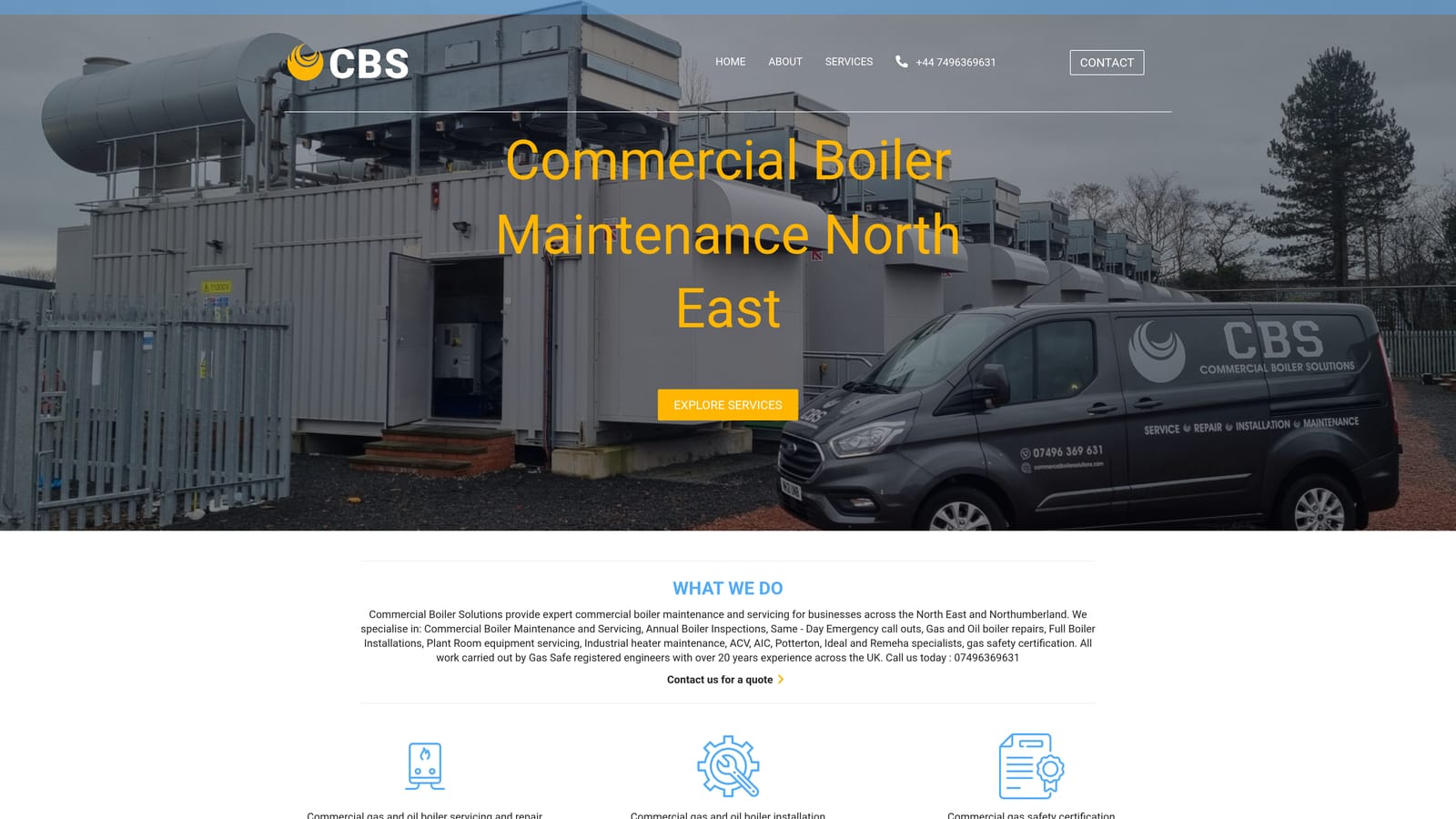
Its distinctive strength is diagnosis. A spreadsheet or CMMS can show that a boiler has failed three times in a year, but only an engineer on site can say whether the cause is an overdue service, a worn component or something that needs replacing. That judgement is what decides whether the next spend is planned or reactive, and it is the input every other tool on this list depends on.
Integrations do not apply, because this is a service provider. Setup is a conversation and a site visit rather than an implementation project, and day-to-day running sits with the engineers, with your team receiving the findings. The limitation is plain: it is not a software platform, so it will not give you portfolio cost dashboards or automated reminders across sites. Pair it with one of the tools below if you need that.
Pricing is quote-based and depends on the number and type of boilers, the scope of servicing and the level of callout cover.
Best for: Sites needing a Gas Safe registered engineer to service and repair boilers in the North East.
MaintainX is a mobile-first work order and checklist platform for maintenance teams. It suits organisations where caretakers, site staff or contractors need to record what they see in a plant room without sitting at a desk.
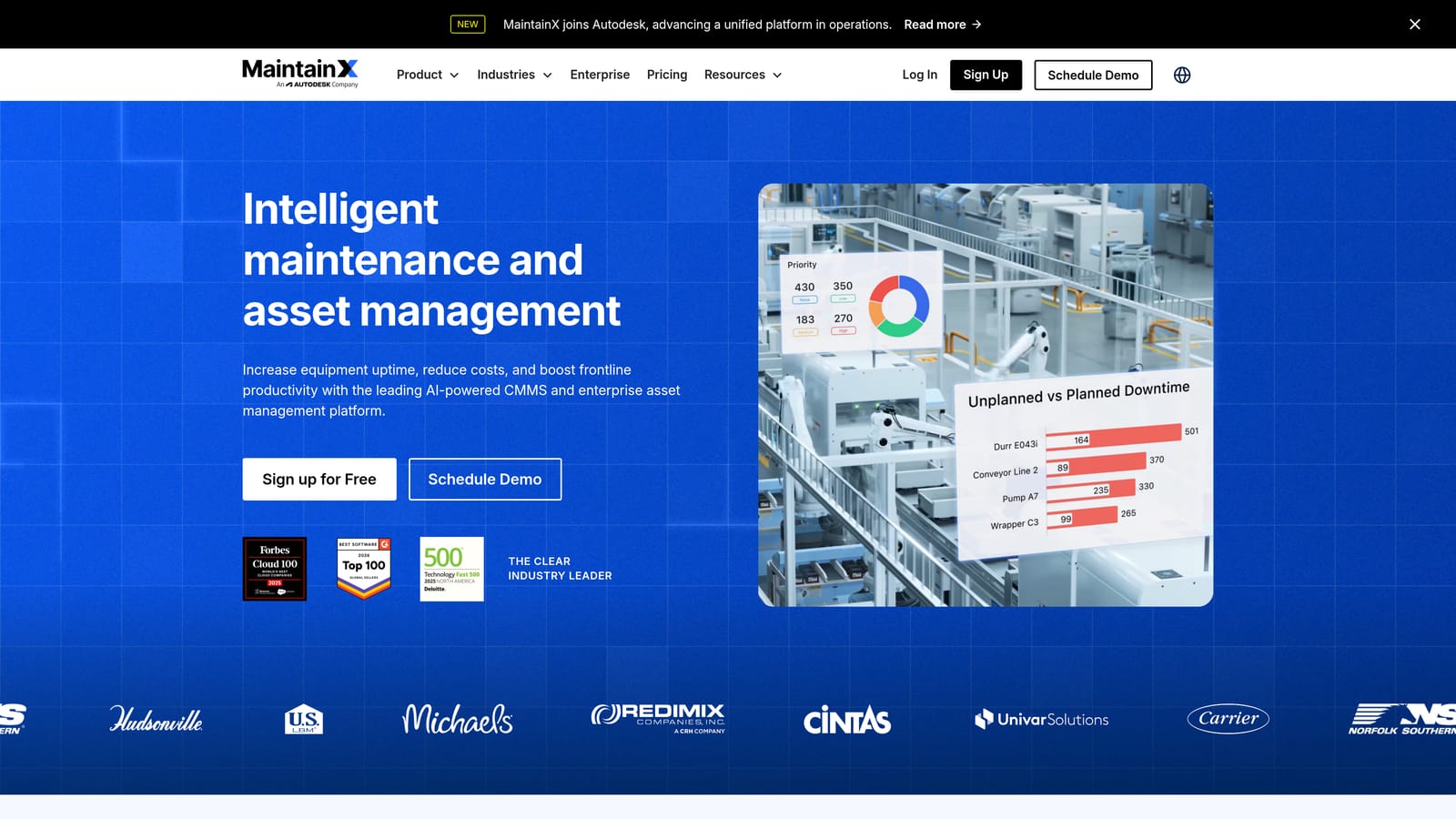
What it does best on this list is fast mobile logging. A weekly boiler room walk-round, with pressure readings noted, a photo of a leaking gauge or a comment about an unusual noise, takes minutes on a phone and builds a dated trail. That trail helps you show whether faults are appearing between services.
It connects with a range of business and IoT systems; check the vendor site for the current list. Setup is light, and day-to-day use usually falls to a facilities lead who builds the checklists. The main limitation is that it has no boiler-specific compliance templates, so you must write your own checks, and these must stay within observation. Staff should never attempt gas, boiler or flue work.
Pricing is tiered, with a free tier offered as of last check; confirm current plans and what each includes on the vendor site, as of 2026.
Best for: Teams wanting simple mobile logging of routine plant room checks.
UpKeep is an asset-focused CMMS (computerised maintenance management system) with work orders, preventive maintenance and inventory tracking. It is aimed at smaller operations that want a record for each piece of equipment.
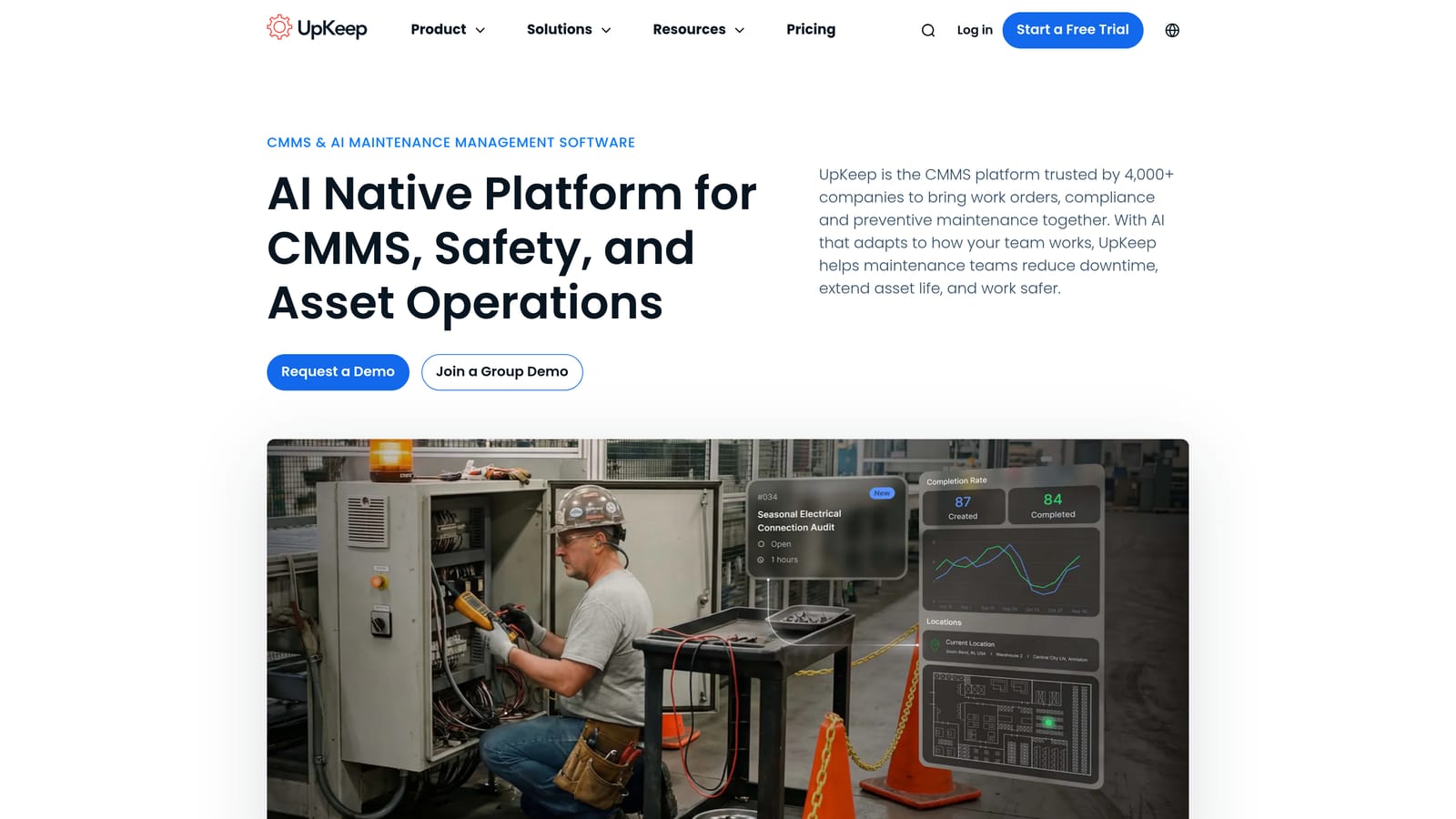
The standout is per-asset history combined with parts tracking. If a circulation pump or a control component has been replaced twice in two years, that shows up against the boiler rather than being buried in invoices. For a service-versus-repair decision, repeat component cost is exactly the evidence you need.
Integrations are listed on the vendor site. Setup is modest: someone enters the boilers and service dates, then the system largely runs itself. Reporting is lighter than enterprise systems, so it will not suit a large estate wanting detailed cross-site analysis. Pricing is tiered per user, so cost rises with the number of people who need access; check current plans, as of 2026.
Best for: Small sites with one or two plant rooms.
Fiix is a CMMS from Rockwell Automation with a strong emphasis on failure analysis and cost reporting. It is built for organisations that want to understand why equipment fails, not only log that it did.
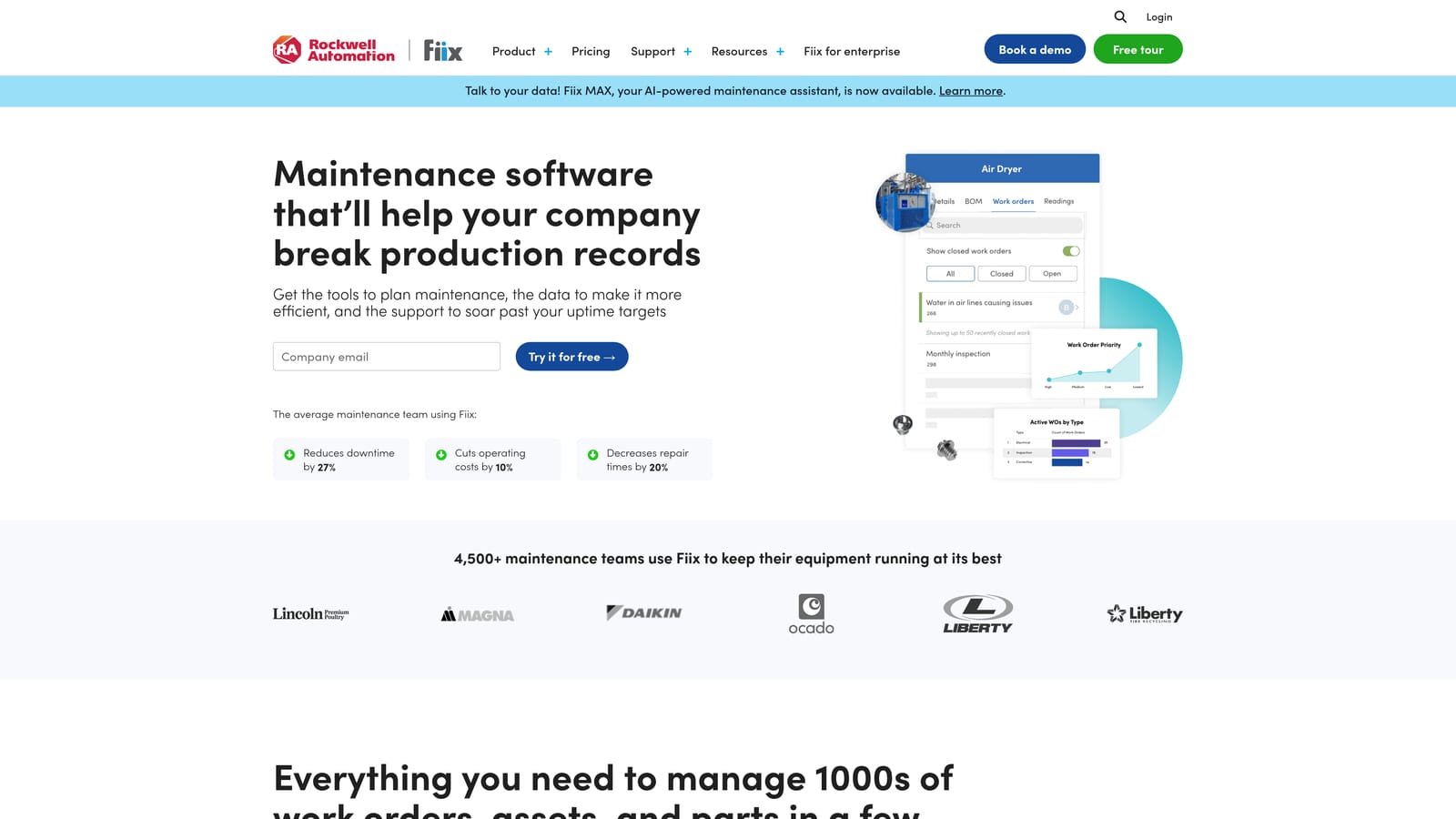
Its distinctive feature here is root-cause coding. Each breakdown can be tagged with a cause, so you can test a common assumption: that reactive repairs are random. If a pattern emerges, such as repeat faults on boilers whose services were late, the data makes the case for planned work more convincingly than anecdote.
It integrates with Rockwell products and third-party systems; see the vendor site. Expect more setup effort than the lighter tools, as the asset hierarchy and codes need designing, and someone in facilities or engineering must own the data. It is probably more than a single-building owner needs. Pricing is tiered; check current plans, as of 2026.
Best for: Multi-site operators analysing planned versus unplanned spend.
Hippo CMMS is an easy-to-learn maintenance system for smaller facilities teams. It prioritises quick adoption over depth, which suits teams without a dedicated maintenance systems person.
Its distinctive element is the request portal. Tenants or staff can report a cold radiator, an error code or a lack of hot water, and each report is timestamped. That creates an audit trail of when a fault was first raised and how quickly it was handled, useful when you need to judge whether small recurring complaints point to a boiler that needs attention.
Integrations are limited; see the vendor site. Setup is quick and training needs are low, with day-to-day running usually by one facilities coordinator. The trade-off is fewer integrations and thinner analytics than larger platforms, so it records history well but offers less help comparing cost across a portfolio. Pricing details are on the vendor site and may change, as of 2026.
Best for: Small facilities teams wanting low-training scheduling and reminders.
Concept Evolution is UK computer-aided facilities management (CAFM) software covering compliance, helpdesk and planned maintenance. It is designed for property and facilities managers who carry statutory obligations across many buildings.

Its strength is UK statutory compliance tracking. Gas safety certificates, inspection dates and expiry reminders sit in a register, which helps duty holders show they are managing their responsibilities under the Gas Safety (Installation and Use) Regulations 1998 and the Health and Safety at Work Act 1974. The software records compliance; it does not create it. Gas work still needs a Gas Safe registered engineer.
Integrations and the current module list should be confirmed with the vendor. Implementation is a managed project, typically involving the supplier and a facilities or compliance lead. It is quote-based and aimed at larger estates, so smaller sites may find it more than they need. Price depends on scope, modules and users.
Best for: Property managers with a heavy UK compliance burden.
Planon is an integrated workplace management platform covering maintenance, space and energy. It is built for organisations managing many buildings as a single portfolio.
What sets it apart is the link between maintenance history and energy performance. For a hospital or university trust, the question is often not just whether a boiler was serviced, but how heating plant performs across dozens of buildings and what that means for energy use. Planon places both in one view.
It integrates with building management systems (BMS) and enterprise software; confirm specifics with the vendor. Implementation is a substantial project requiring internal ownership and often specialist support. That scale and cost make it unsuitable for a single site or small estate. Pricing is quote-based and moves with modules, buildings and users.
Best for: Large multi-building portfolios such as hospitals or universities.
Trend Control Systems is a building energy management system from Honeywell for monitoring and controlling plant. It is the one entry here that watches the equipment live, rather than recording what people report.

Its value is early warning. Alarms and trend logs can show flow temperatures drifting, a boiler cycling excessively or a plant room failing to meet demand, before the building goes cold. During a North East winter, catching a developing fault ahead of a Monday-morning failure can be the difference between a planned visit and an emergency callout.
It integrates with BMS and other building systems; see the vendor site. Installation and commissioning are specialist work, and day-to-day use usually sits with a building services or facilities engineer. It detects symptoms rather than diagnosing causes, so an alarm still needs a Gas Safe registered engineer to investigate, and capital and integration costs are significant. Pricing is quote-based and depends on the size of the installation.
Best for: Larger buildings wanting real-time boiler plant monitoring.
For a single site, start with an annual service arrangement from Commercial Boiler Solutions and add UpKeep or Hippo CMMS to keep the history tidy. For a multi-site estate, Fiix gives the clearest comparison of planned and unplanned spend. If your compliance burden is heavy, Concept Evolution keeps certificates and inspection dates in one register. For plant monitoring in a larger building, Trend Control Systems gives early warning of faults.
Whatever you choose, software cannot diagnose or fix a gas fault. All gas work must be carried out by a Gas Safe registered engineer, and you can check registration on the Gas Safe Register. If you suspect a gas leak, leave the area immediately and call the National Gas Emergency Service on 0800 111 999.
If you want an engineer's view on whether your boilers need servicing, repair or replacement, contact Commercial Boiler Solutions. Learn more about our services